
Table of Contents
- Cotton vs Synthetic Sleepwear: The Core Differences
- How Cotton Fabric Properties Affect Sleep Comfort
- Synthetic Fabric Properties and Temperature Regulation
- Cotton vs Polyester Pajamas: Direct Comparison
- Cooling Pajamas for Hot Sleepers: What Actually Works
- Best Pajamas for Hot Flashes: Fabric Construction Matters
- Moisture-Wicking Sleepwear: How It Works and When to Choose It
- Care, Durability, and Long-Term Performance
- Frequently Asked Questions
Last Updated: October 19, 2026
Cotton vs Synthetic Sleepwear: The Core Differences
When you're choosing sleepwear for cooling, the fabric matters far more than the style.
The core difference comes down to how each fabric type handles heat and sweat. Cotton is a natural fiber that absorbs moisture, while synthetic materials like polyester are engineered to wick moisture away.
Research published in the journal indexed by PubMed Central found that for healthy young adults under normal ambient temperatures, cotton sleepwear supports deeper sleep compared to synthetic alternatives. This doesn't mean cotton is automatically cooler.
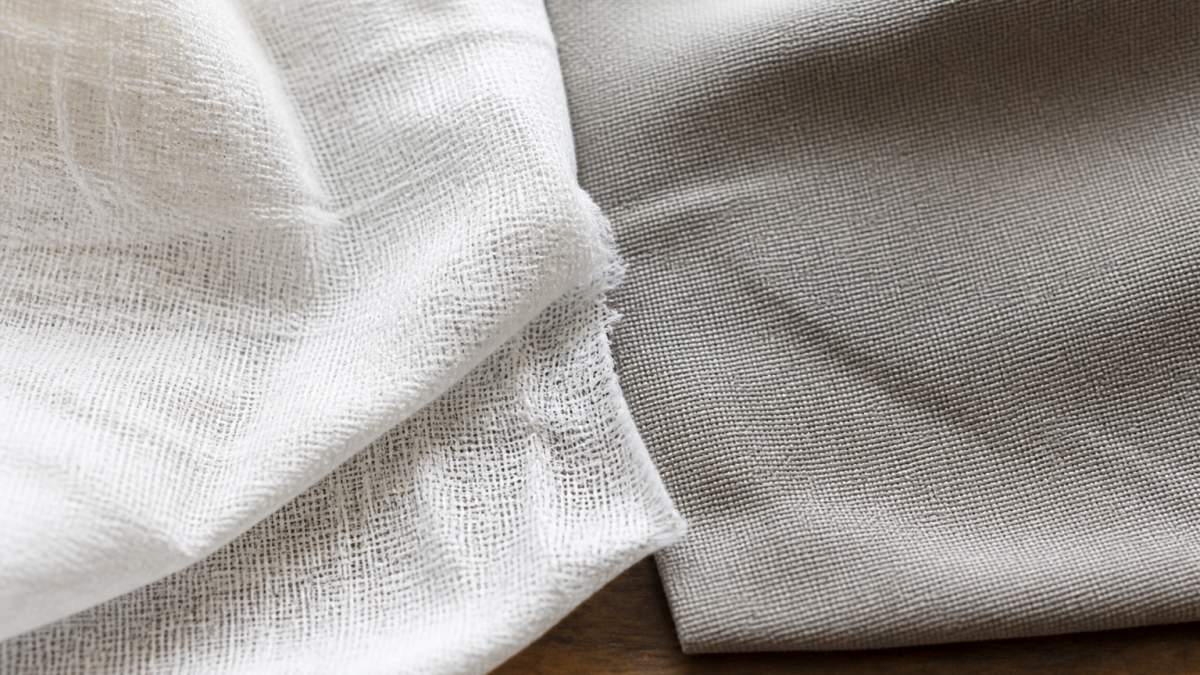
The distinction between fiber type and fabric construction is critical. You can have poorly constructed cotton that traps heat, and well-engineered synthetic sleepwear that genuinely wicks moisture.
How Cotton Fabric Properties Affect Sleep Comfort
Cotton's reputation for cooling comes from its natural properties, but those properties only work if the fabric is constructed with breathability in mind. Cotton fibers are hollow and naturally absorbent, they pull moisture away from your skin and hold it within the fabric structure. This is fundamentally different from moisture-wicking technology.
When cotton absorbs sweat, it can feel damp if the fabric is too heavy or the weave is too tight. But lightweight cotton with a loose weave, like muslin, allows air to circulate through the fabric while moisture is absorbed and then released back into the air as you move.
The breathability of cotton also depends on thread count. Lower thread counts (around 200-400) create more space between fibers, allowing better air circulation. Higher thread counts feel softer but reduce airflow. For hot sleepers, a lower thread count with a loose weave is often the better choice.
Breathability and Air Circulation
Breathability refers to how easily air moves through the fabric. Cotton's natural structure allows air to flow freely, which helps dissipate body heat. The loose weave of muslin cotton, the material used in Len Collection's sleepwear, creates even more airflow than standard cotton sheets.
Synthetic fabrics vary widely in breathability. Polyester, one of the most common synthetics, can trap heat if it's tightly woven. However, newer synthetic blends and specially treated polyester are designed to be more breathable. The difference often comes down to whether the fabric has been treated with a moisture-wicking finish and how densely it's woven.
Air circulation is especially important for hot sleepers because stagnant air around your body allows heat to build up. Fabrics that allow air to move freely, whether cotton or synthetic, perform better for temperature regulation. This is why loose-fitting sleepwear outperforms tight fits, regardless of material.
Moisture Absorption vs. Quick Drying
Here's where cotton and synthetic sleepwear diverge most noticeably. Cotton absorbs moisture into the fiber itself, which means it can hold a significant amount of sweat without feeling wet. The downside: cotton takes longer to dry. If you're someone who sweats heavily throughout the night, your cotton sleepwear may feel damp by morning.
Synthetic fibers like polyester are hydrophobic, they repel water rather than absorb it. Moisture-wicking synthetics are designed to move sweat away from your skin to the fabric's surface, where it evaporates quickly. This means you stay drier during the night, and the garment dries faster after washing.
However, the contrarian insight here matters: moisture absorption isn't inherently bad. Some sleepers prefer the feel of cotton's moisture management because it prevents the clammy sensation that can occur when sweat sits on the skin surface. The choice depends on your personal preference and sweat rate.
Synthetic Fabric Properties and Temperature Regulation
Synthetic sleepwear has evolved significantly. Modern synthetics aren't just about moisture-wicking, they're engineered for specific temperature outcomes. Understanding how they work helps you decide if they're right for you.
Synthetic fibers don't absorb moisture the way cotton does. Instead, they're designed to move moisture across the fabric surface through capillary action. This process is faster than absorption, which is why synthetic sleepwear often feels drier during wear. The trade-off is that some people find synthetics less comfortable against the skin, especially if they have sensitive skin.
Temperature regulation with synthetics depends heavily on the specific fiber and construction. Polyester is the most common synthetic for sleepwear, but it's also the most variable in performance. Tightly woven polyester can trap heat and lack breathability. Loosely woven polyester with a moisture-wicking treatment performs much better.
Polyester, Micromodal, and Moisture-Wicking Technology
Polyester remains the most affordable synthetic option for sleepwear. Standard polyester is hydrophobic and can trap heat, but treated polyester with moisture-wicking technology performs differently. The treatment creates channels that move moisture away from the body toward the fabric surface.
Micromodal is a semi-synthetic fiber made from beech wood pulp. It's softer than polyester and more breathable than standard synthetic blends. Micromodal sleepwear often feels more like cotton against the skin while offering some of the moisture-wicking benefits of synthetics. It's a middle ground, not fully natural, but not entirely synthetic either.
The key to synthetic cooling performance is the fabric construction and any applied treatments. A loosely woven polyester with a quality moisture-wicking finish outperforms tightly woven cotton in terms of drying speed. But neither material is universally superior. The best choice depends on your specific sleep environment and personal preferences.
Cotton vs Polyester Pajamas: Direct Comparison
When comparing cotton vs synthetic sleepwear for cooling directly, several factors matter most: moisture management, breathability, feel against the skin, and durability.
Cotton pajamas excel at moisture absorption and creating a soft, natural feel. The downside is slower drying and potential for shrinkage if not cared for properly.
Polyester pajamas dry faster and resist shrinkage. They're more affordable and require less maintenance. However, some sleepers find them less breathable and less comfortable against the skin. Polyester can also develop a slight static charge and may pill over time with frequent washing.
100%Cotton Muslin Women’s Blue Floral Short Pajama Set – Button-Up Sleepwear →
For hot sleepers specifically, the comparison shifts. If you sweat heavily, you might prefer the quick-drying properties of treated polyester. If you prefer the feel of natural fibers and don't mind slightly damp fabric, cotton is the better choice.
| Factor | Cotton Sleepwear | Polyester Sleepwear |
|---|---|---|
| Moisture absorption | High (absorbs into fiber) | Low (repels moisture) |
| Drying speed | Slower | Faster |
| Breathability | Excellent (loose weave) | Variable (depends on construction) |
| Softness | Improves with washing | Consistent |
| Shrinkage risk | Moderate to high | Minimal |
| Skin sensitivity | Excellent | May irritate sensitive skin |
| Cost | Higher | Lower |
| Lifespan | 2-3 years typical | 1-2 years typical |
Cooling Pajamas for Hot Sleepers: What Actually Works
For hot sleepers, the right pajama choice can mean the difference between restless nights and solid sleep. The most important factors aren't always the most obvious ones.
Fit matters more than fabric alone. Loose-fitting sleepwear allows air to circulate around your body, which is more important for cooling than the specific material. This is why Len Collection's relaxed-fit designs work well for temperature regulation, the loose silhouette promotes airflow.

Fabric weight is critical. Lightweight fabrics allow heat to escape more easily than heavy ones. For hot sleepers, look for sleepwear described as lightweight or summer-weight. Avoid flannel, fleece, or thick cotton blends. Even cotton can trap heat if it's too heavy.
Sleeve length and pant length also affect cooling. Short sleeves and shorts allow more skin exposure and faster heat dissipation than long sleeves and full-length pants. However, some sleepers prefer long sleeves for sun protection or aesthetic reasons.
Best Pajamas for Hot Flashes: Fabric Construction Matters
Hot flashes require pajamas that respond quickly to temperature spikes. The fabric construction becomes even more important than the base material. You need sleepwear that can handle sudden heat without making you feel trapped.
Moisture-wicking construction is more important than fiber type for hot flashes. Whether it's treated polyester or cotton with a loose weave, the key is moving moisture away from your skin quickly. This prevents the clammy feeling that often accompanies hot flashes.
Breathability is non-negotiable. A tightly woven cotton pajama set might feel natural, but it won't perform as well as a loosely woven cotton or treated synthetic with excellent airflow. For hot flashes specifically, construction trumps material choice.
Button-up tops are particularly useful during hot flashes because you can quickly adjust ventilation without removing the entire garment. Len Collection's button-up designs let you open the top for instant cooling relief.
Moisture-Wicking Sleepwear: How It Works and When to Choose It
Moisture-wicking technology is often misunderstood. It doesn't mean the fabric keeps you dry, it means the fabric moves moisture away from your skin toward the surface where it can evaporate. This creates a cooling effect through evaporation.
True moisture-wicking sleepwear has been treated or constructed specifically for this purpose. Standard cotton doesn't wick moisture; it absorbs it. Standard polyester repels moisture but doesn't actively wick it. Treated synthetics and specially constructed fabrics with moisture-wicking finishes actively move moisture across the fabric surface.
When to choose moisture-wicking sleepwear: if you're a heavy sweater, if you sleep in a humid environment, or if you have hot flashes that cause sudden perspiration.
However, moisture-wicking isn't necessary for everyone. Light sleepers or those in dry climates might find standard cotton more comfortable. Moisture-wicking sleepwear can sometimes feel slightly less soft against the skin compared to natural cotton, which is a trade-off worth considering.
Care, Durability, and Long-Term Performance
How you care for sleepwear affects its cooling performance over time. Both cotton and synthetic sleepwear require proper maintenance to preserve their properties.
Cotton sleepwear can shrink significantly if washed in hot water and dried on high heat. To maintain the fit and breathability of cotton pajamas, wash in cold water and dry on low heat or hang dry. Proper care extends the lifespan and preserves the loose weave that makes cotton breathable.
Polyester holds up better to aggressive washing but can pill or develop a static charge with repeated wear. Washing in cold water and drying on low heat helps preserve synthetic sleepwear as well.
Over time, both materials can lose some of their cooling properties. Cotton softens and becomes more breathable, which is generally positive. Synthetics may develop slight stiffness or lose some of their moisture-wicking treatment.
Choosing between cotton vs synthetic sleepwear for cooling comes down to understanding your specific sleep patterns and preferences. If you prioritize natural materials, softness, and breathability, 100% cotton muslin sleepwear delivers all three. Len Collection's cotton muslin pajama sets feature loose weave construction that promotes air circulation and relaxed fits designed specifically for comfort and temperature regulation.

Frequently Asked Questions
Is cotton or polyester better for hot sleepers?
Cotton absorbs moisture but may leave you damp, while quality synthetic sleepwear is engineered to wick sweat away and dry quickly. For hot sleepers, the deciding factor is fabric construction, not fiber type alone. Loose-weave cotton muslin offers excellent breathability and airflow, while moisture-wicking synthetic blends pull sweat from your skin. A 2024 study found that cotton sleepwear supported deeper sleep in healthy young adults under normal temperatures. Choose based on whether you prefer natural breathability or engineered moisture management.
What makes the best pajamas for hot flashes?
The best pajamas for hot flashes combine three qualities: breathability for air circulation, moisture-wicking to manage sudden sweating, and lightweight fabric that doesn't trap heat. Loose-weave cotton muslin excels at breathability, while synthetic fabrics with moisture-wicking treatments excel at pulling sweat away. Fabric construction matters more than fiber type alone. Look for button-up styles that allow you to adjust ventilation, and choose short-sleeve or sleeveless options for warm seasons. Len Collection's cotton muslin sets feature relaxed fits and lightweight designs that support these needs.
Does cotton absorb sweat better than polyester?
Cotton absorbs moisture effectively but retains it, leaving you feeling damp. Polyester and other synthetics don't absorb as much moisture but dry faster. For cooling sleepwear, speed matters: if sweat stays on your skin, you feel cold and clammy. A contrarian view: synthetic sleepwear designed with moisture-wicking treatments pulls sweat from your skin and dries quickly, which many hot sleepers find more comfortable than cotton that absorbs and holds moisture. The real choice is between moisture absorption (cotton) and moisture management (engineered synthetics).
Why is fabric construction as important as fiber type for cooling?
Fiber type alone doesn't determine cooling performance. A tightly woven cotton fabric traps heat, while a loose-weave cotton muslin allows excellent airflow. Synthetic fabrics vary widely: traditional polyester lacks breathability, but newer moisture-wicking treatments and blends perform differently. Loose weave, lightweight fabric weight, and thread count affect breathability and airflow more than whether the fiber is natural or synthetic. When shopping for cooling pajamas, examine the weave structure and weight specifications alongside the fiber content.