
Last Updated: November 2, 2026
Quick Summary
Muslin vs modal comes down to weave and weight more than fiber name. Cotton muslin is a plain-weave cotton with a loose, open structure, so it tends to feel airy and crisp, while modal is a semi-synthetic beech-based fiber that feels smooth, silky and drapes softly. Neither fabric actively regulates temperature, so choose muslin for warm sleep and modal for a lighter, drapier feel.
- Muslin is a plain-weave cotton with a loose, open structure and light weight.
- Modal is a semi-synthetic fiber made from beech tree cellulose with a smooth, soft drape.
- Breathability depends on weave openness, fabric weight and how the garment fits, not fiber alone.
- Neither fabric is shown to be a clear winner for sleep; the research does not test muslin against modal directly.
- Wash modal and cotton cold and dry on low heat or hang dry to protect drape and limit shrinkage.
Table of Contents
- Cotton Muslin and Modal: What Each Fabric Actually Is
- Breathability and Airflow: Which Fabric Keeps You Cooler
- Softness, Drape and Skin Feel for Nightly Comfort
- Moisture Handling and Temperature Claims: What the Evidence Shows
- Washing, Shrinkage and Long-Term Care
- Muslin Fabric Durability Compared With Modal
- Choosing Your Set: Len Collection Pajamas for Your Sleep Style
- Frequently Asked Questions
Cotton Muslin and Modal: What Each Fabric Actually Is
In the muslin vs modal comparison, muslin is a plain-weave cotton fabric, known for its loose, open structure and light weight. Modal is a semi-synthetic fiber made from beech tree cellulose, processed into a fabric that feels smooth and drapes softly.
The difference matters more than the names suggest. Cotton muslin is a natural fiber with a relaxed, airy weave. Modal is engineered for softness and drape, with a sheen that cotton does not usually have. Muslin tends to feel crisp and textured, while modal feels silky against the skin.
A 2024 review of sleepwear and bedding fiber types and sleep quality notes that textile materials can influence skin and body temperature, which in turn affects thermal comfort during sleep. That makes fiber type a reasonable thing to compare, even though the research does not test muslin against modal directly.
Breathability and Airflow: Which Fabric Keeps You Cooler
Breathability is the claim most shoppers care about, especially if you run hot at night, but the word gets used loosely. In textile terms, breathability describes how readily air and water vapor pass through a fabric. That passage depends on three things: how open the weave or knit is, how heavy the fabric is per square yard, and how the garment sits against the body. Fiber type alone does not settle it.
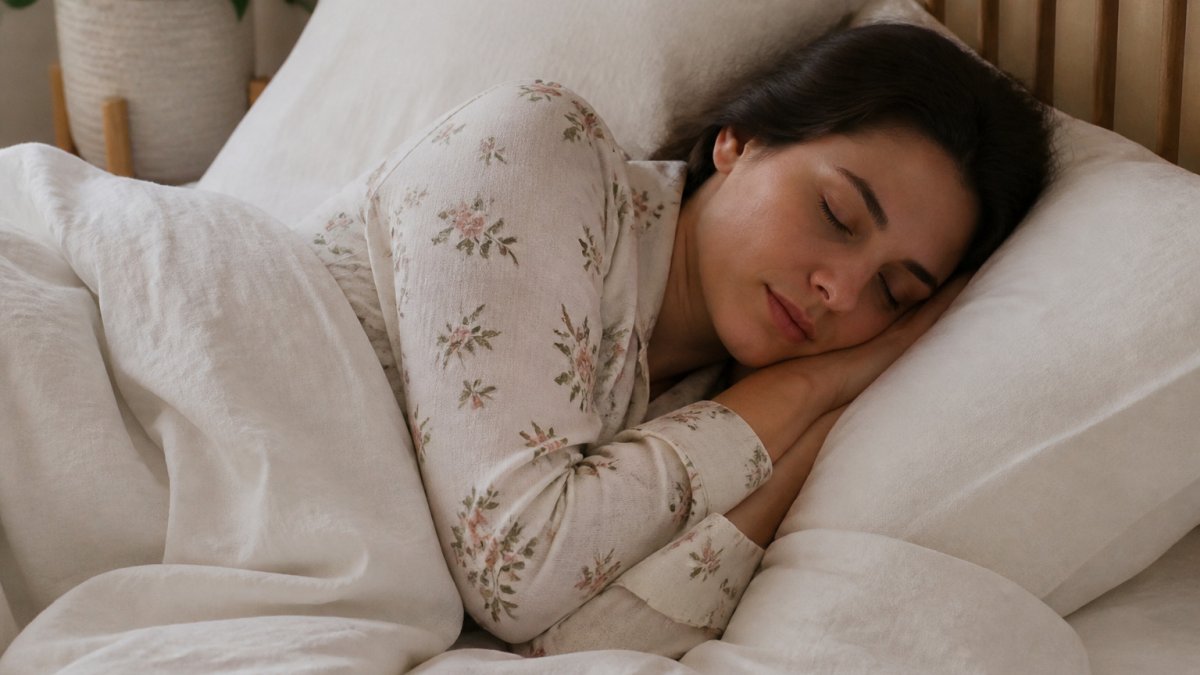
Cotton muslin is a plain-weave fabric, and plain weave is the simplest interlacing, one yarn over, one yarn under.
Modal is a semi-synthetic cellulose fiber, usually spun and then knit or woven into a smooth surface.
Here is the practical distinction for sleep:
- Changing temperatures through the night: neither fabric actively regulates temperature. Muslin's airflow helps when a room is warm; modal's smooth drape helps when you want a lighter-feeling layer without bulk.
Watch out: airflow alone does not decide comfort. A fabric that breathes well but clings when damp can still leave you warm, and a smooth fabric that traps moisture against the skin can feel clammy by morning. Check how the garment sits on your body, a relaxed cut in either fabric will outperform a tight fit.
Fabric weight matters as much as fiber. A heavy muslin and a lightweight muslin are not the same product, and a brushed or tightly knit modal is not the same as a lightweight modal jersey. When you compare sleepwear, compare the actual garment's weight and construction, not just the fiber name on the label.
Softness, Drape and Skin Feel for Nightly Comfort
When you weigh muslin vs modal, softness is subjective, and it changes with washing. Modal is usually the softer, more fluid option straight out of the package, with a drape that many people find elegant. Muslin starts crisper and softens with each wash, which suits people who like a relaxed, lived-in feel.
If you have sensitive skin, look for simple construction and minimal finishing. Our Women's Floral 100% Cotton Muslin Pajama Set is cut with a relaxed fit and a notched collar, so there is less bulk pressing against the skin.

Moisture Handling and Temperature Claims: What the Evidence Shows
Most product pages treat moisture absorption, wicking, and drying time as if they mean the same thing. They do not, and the difference is what actually determines comfort during sleep.
- Moisture absorption is how much water a fiber can take up. Cotton is a hydrophilic fiber and absorbs moisture readily; that is why cotton muslin feels damp to the touch when you sweat. Modal is also cellulose-based and absorbs moisture, but its smoother, denser surface changes how that moisture spreads across the fabric.
- Wicking is how quickly a fabric moves moisture away from the skin and spreads it across the surface so it can evaporate. Wicking depends on fiber, yarn structure, and weave or knit, not on fiber alone. An open-weave muslin can move moisture through the gaps between yarns, while a dense modal knit spreads moisture across a smooth surface.
- Drying time is how fast that moisture leaves the fabric. Lighter, more open fabrics generally dry faster than dense ones, which is one reason an airy muslin can feel drier sooner after a sweat.
The research available for this comparison does not establish that modal outperforms cotton muslin for sleep, or the reverse. A 2019 study of sleepwear fiber type under warm conditions reported small sleep benefits for wool over cotton and polyester in warm environments, but it did not test muslin against modal. A 2024 review of sleepwear and bedding fiber types and sleep quality notes that textile materials can influence skin and body temperature, which in turn affects thermal comfort during sleep. Neither study isolates the two fabrics named in this comparison, so treat any claim of a clear winner with caution, including ours.
Women’s Floral 100% Cotton Muslin Pajama Set – Long Sleeve Button-Up Sleepwear →
What the evidence does support is a set of practical patterns:
- Changing temperatures: neither fabric actively regulates temperature. Muslin's airflow helps when a room is warm; modal's smooth drape helps when you want a lighter-feeling layer without bulk.
Watch out: a fabric that absorbs moisture well is not automatically comfortable, if it holds that moisture against the skin, it can feel cold and damp. Look for garments described as lightweight and breathable, and check the fabric weight and construction, not just the fiber name.
Your own sleep environment and body temperature will matter more than the label. If you sweat heavily or sleep in a warm room, prioritize an open, lightweight weave. If you sleep cool and value a smooth, drapey feel, modal is a reasonable choice. Neither fabric is a clear winner across all sleep conditions.
Washing, Shrinkage and Long-Term Care
Care affects how a fabric performs over time. Muslin is generally machine washable, and our Women's Floral Short Sleeve Set care instructions call for a cold, gentle cycle with similar colors, no bleach, and low tumble dry or hang drying. Shrinkage prevention steps walk through each part of the wash and dry routine. Modal also tolerates gentle washing, but it can lose its drape if dried on high heat.
Shrinkage is the common complaint with cotton. Wash cold, avoid high dryer heat, and hang dry when you can. These steps protect both fabrics and extend their life.
The article's care guidance for muslin and modal comes down to a few practical steps.
| Care step | Recommendation | Why it matters |
|---|---|---|
| Wash temperature | Cold | Limits shrinkage in cotton |
| Dryer heat | Low, or hang dry | Protects drape and extends life |
| Bleach | Avoid | Recommended in Len Collection care instructions |
| Washing cycle | Gentle, with similar colors | Gentle cycle protects both fabrics |
| Modal drape | Lost with high heat | Dried on high heat, modal can lose its drape |
Muslin Fabric Durability Compared With Modal
Expect to replace sleepwear periodically with regular wear.
If durability is your top priority, the right choice depends on how often you wash and dry. Low-heat care helps either fabric last.
Choosing Your Set: Len Collection Pajamas for Your Sleep Style
Pick the fabric that matches how you sleep. Here is how we would choose:
Best for warm sleepers: our cotton muslin sets, which are made from breathable 100% cotton muslin.
- Women's Floral 100% Cotton Muslin Pajama Set, Short Sleeve ($27.00): a lightweight two-piece set. Best for: hot sleepers and warm evenings. Skip if: you want full arm coverage.
- Women's Floral 100% Cotton Muslin Pajama Set, Long Sleeve ($37.00): more coverage with the same breathable fabric. Best for: cooler rooms or a bit more warmth. Skip if: you sleep very hot.
Browse the full range at Len Collection and choose the set that fits your sleep style.

Frequently Asked Questions
Is modal fabric good for sleeping?
Modal is a smooth, drapey fabric made from beech tree cellulose, and many sleepers find it soft against the skin. Research on sleepwear fiber types is limited, and no controlled study directly compares modal with cotton muslin for sleep quality. Choose modal if you prioritize a silky drape and easy care, and test a set against your own nightly comfort before deciding.
Which is better for sleep, cotton muslin or modal?
The available evidence does not establish that either fabric improves sleep more than the other. Cotton muslin is a lightweight, open-weave cotton that many people find breathable in warm conditions, while modal is smooth and fluid. Your choice depends on whether you want a crisp, airy feel or a silky drape, and on how warm you tend to sleep.
How do you wash cotton muslin pajamas?
Machine wash cold with similar colors on a gentle cycle, avoid bleach, and tumble dry low or hang dry. Cool iron only if needed. Following these steps helps limit shrinkage and keeps the open weave soft.
Is muslin the same as 100% cotton?
Muslin is a type of plain-weave cotton fabric, so a 100% cotton muslin is cotton that has been woven in a loose, lightweight construction. The weave, not the fiber, is what sets muslin apart from heavier cotton fabrics such as percale or flannel. Check the label to confirm fiber content when comparing products.
